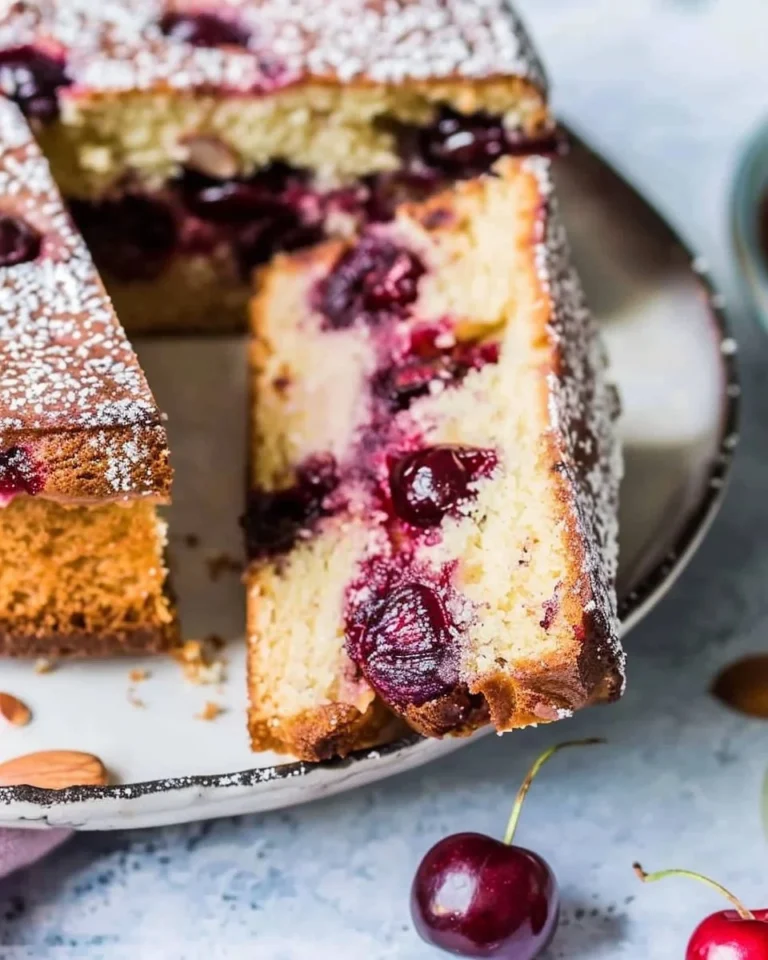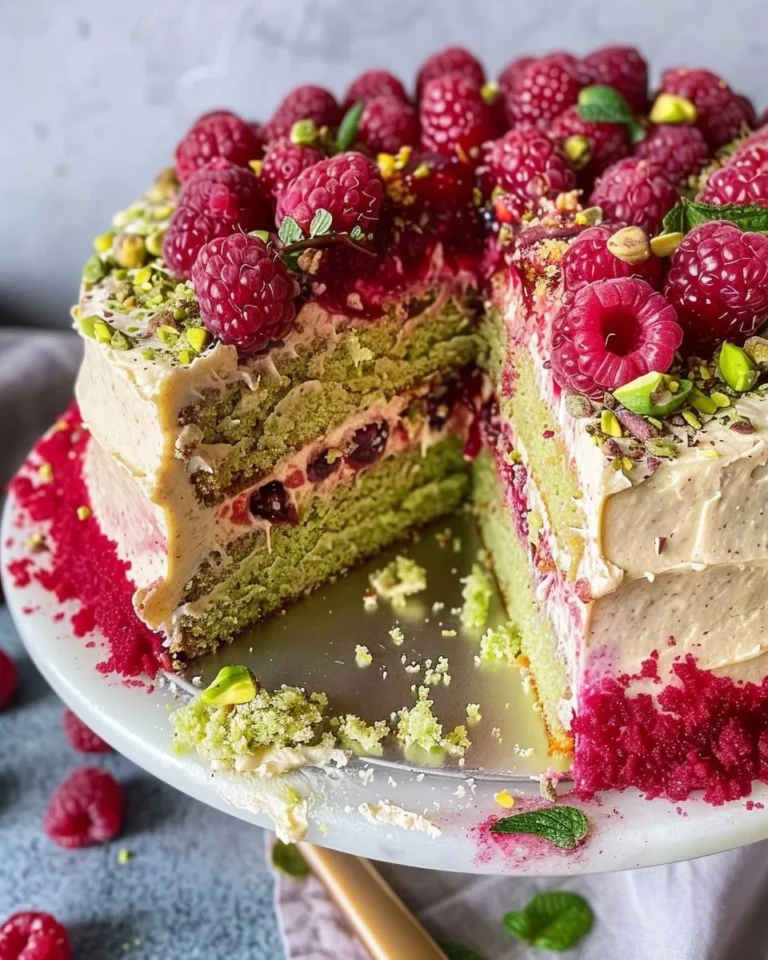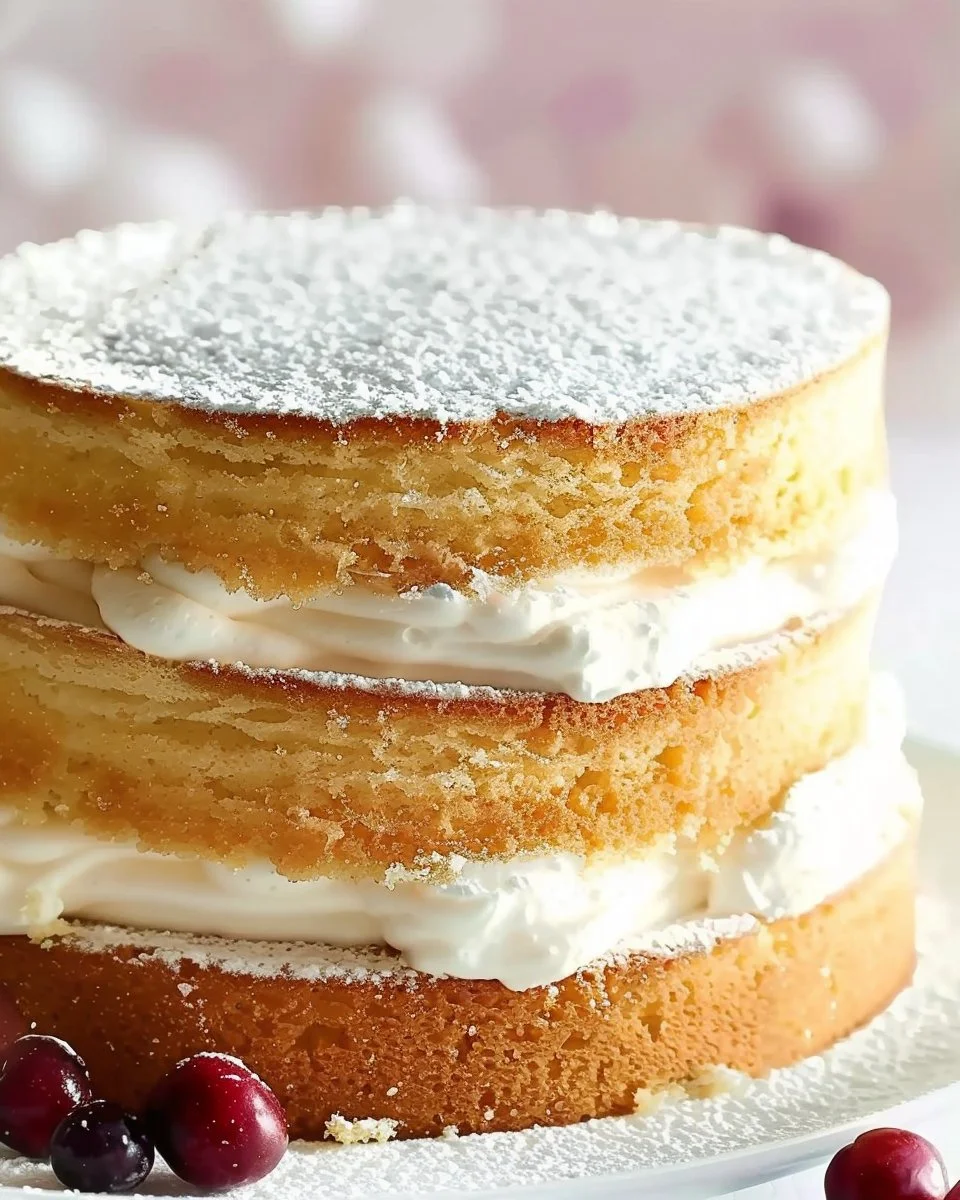
Mastering Cake Filling Techniques: Elevate Your Baking Game
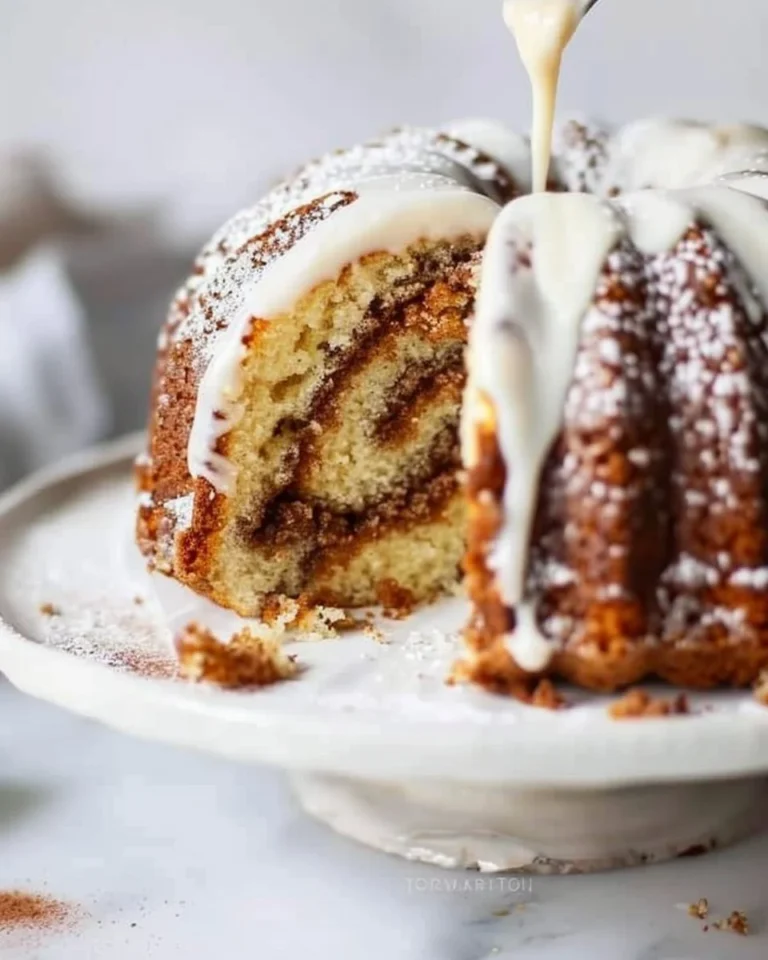
Imagine slicing into a beautifully baked cake, only to find a wondrous burst of flavor hidden within its layers. The right cake filling can transform a simple dessert into an unforgettable culinary experience. If you’re looking to elevate your baking game, understanding cake filling techniques is essential. Whether you’re preparing for a special occasion or just indulging in a personal baking project, the right filling can make all the difference.
Cake fillings not only add flavor and moisture to the cake but also contribute to its visual appeal and texture. In this article, we’ll explore a variety of techniques for filling cakes, so your next creation dazzles taste buds and eyes alike.
Why Cake Fillings Matter
Cake fillings are more than just an extra layer of flavor; they serve several purposes that enhance your cake overall. Here are a few reasons why mastering cake filling techniques is beneficial:
- Flavor Enhancement: A well-chosen filling complements the cake’s flavor and can introduce an exciting contrast or harmony.
- Moisture Retention: Fillings can help keep your cake moist and tender, particularly in layered cakes that tend to dry out quickly.
- Textural Contrast: Adding a filling with a different texture can make each bite more interesting—from creamy ganaches to crunchy nuts or fruity preserves.
- Visual Appeal: A vibrant filling can peek through the layers of your cake, offering an inviting glimpse of what lies ahead.
Essential Cake Filling Ingredients
Before diving into the techniques, let’s outline some common ingredients you’ll need for various fillings:
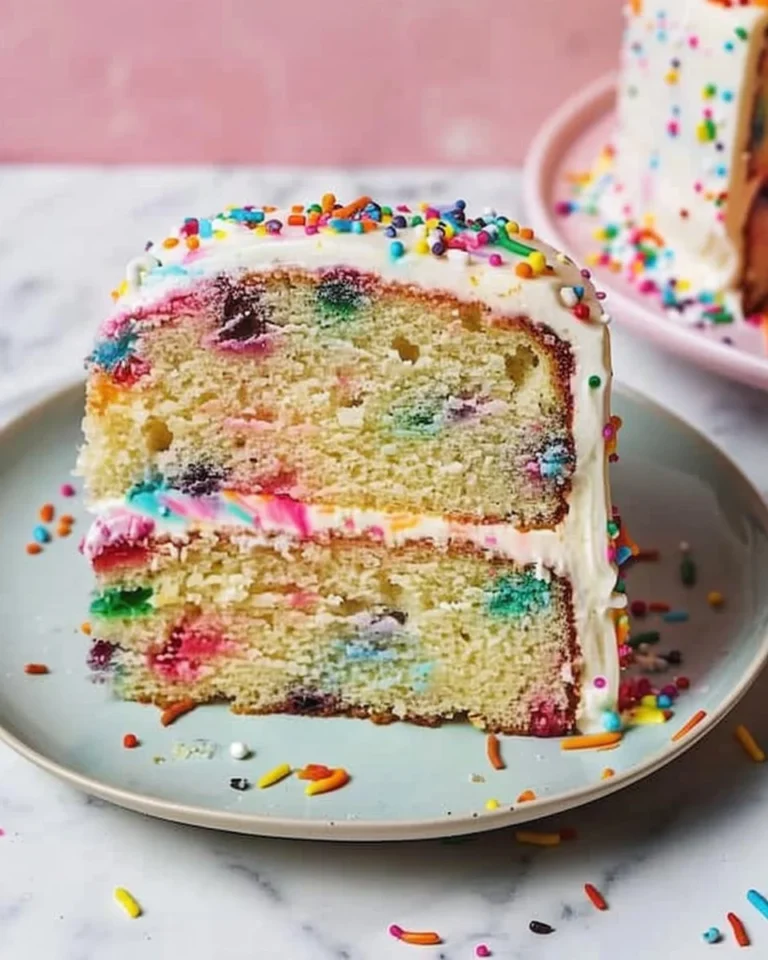
- Buttercream: Softened unsalted butter, powdered sugar, and flavorings.
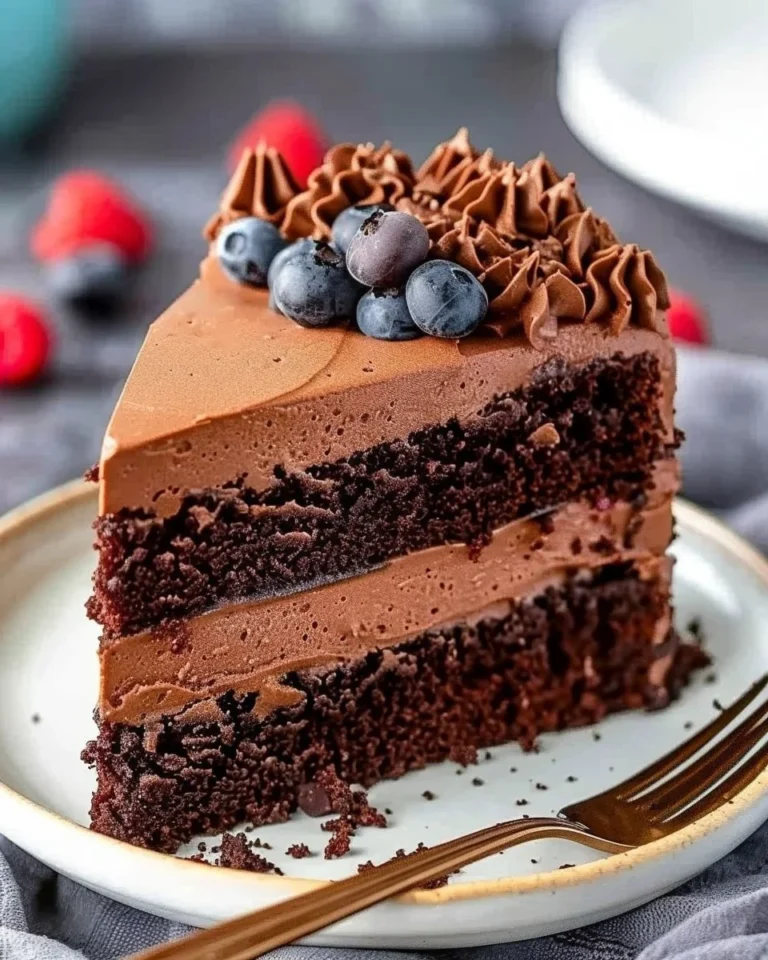
- Ganache: Heavy cream and chocolate (dark, milk, or white).
- Fruit Fillings: Fresh fruits, jams, or fruit purees.
- Curds: Egg yolks, sugar, and fruit juices (like lemon or raspberry).
- Whipped Cream: Heavy cream, sugar, and vanilla extract.
- Cheesecake Filling: Cream cheese, sugar, eggs, and flavorings.
Step-by-Step Guide to Filling Your Cake
Creating beautiful layered cakes with enticing fillings is simpler than you might think. Follow these steps, and you’ll be an expert in no time.
1. Prepare Your Cake Layers
Bake your favorite cake recipe and allow it to cool completely. Level the tops if necessary to ensure an even stacking.
2. Choose Your Filling
Decide on the type of filling you’d like to use. Here are a few popular options:
- Buttercream: Perfect for birthdays and celebrations.
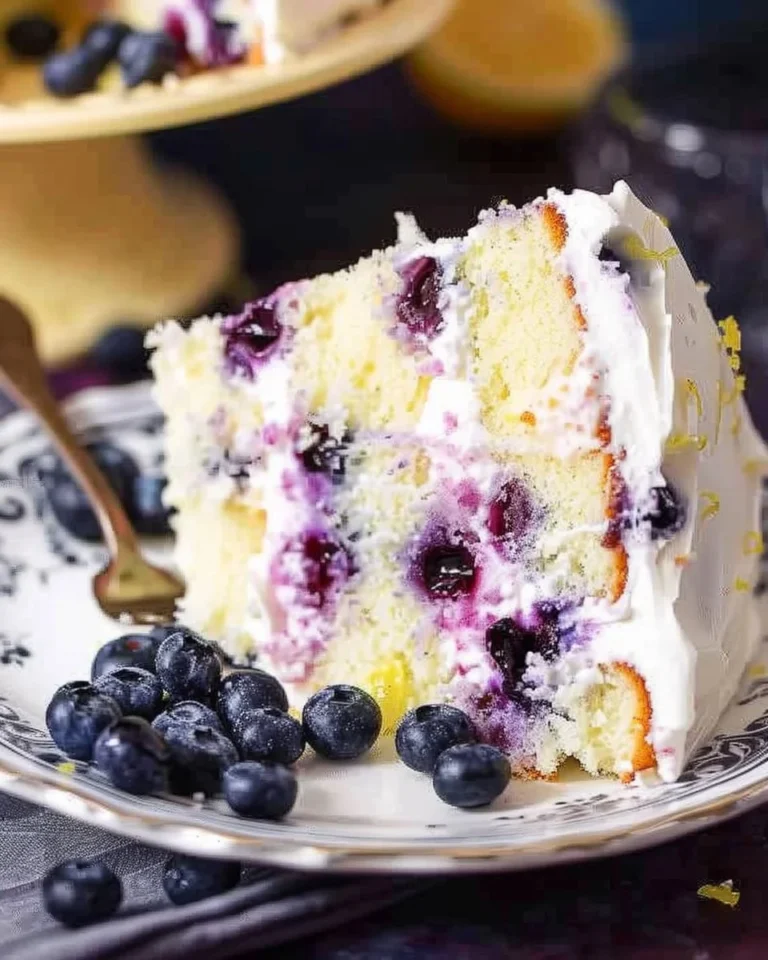
- Fruit: Ideal for summer cakes and natural desserts.
- Ganache: Offers a rich and decadent taste.
3. Level and Slice
Using a serrated knife or a cake leveler, slice each cake layer horizontally if you want to create multiple filling layers.
4. Pipe a Barrier
To prevent the filling from spilling out, pipe a small border of buttercream around the edge of the first layer. This acts as a dam to hold the filling in place.
5. Fill with Your Choice
Spoon your chosen filling into the center of the layer, spreading it gently with an offset spatula. Be careful not to overfill to avoid spills when stacking the next layer.
6. Stack and Repeat
Carefully place the next layer of cake on top and repeat the filling process for each layer.
7. Frost the Outside
Once all layers are filled and stacked, cover the entire cake with a crumb coat (a thin layer of frosting) to trap in any crumbs. Follow with a final layer of frosting for a polished look.
8. Decorate
Add any additional decorations you’d like—think fresh fruits, sprinkles, or chocolate shavings.
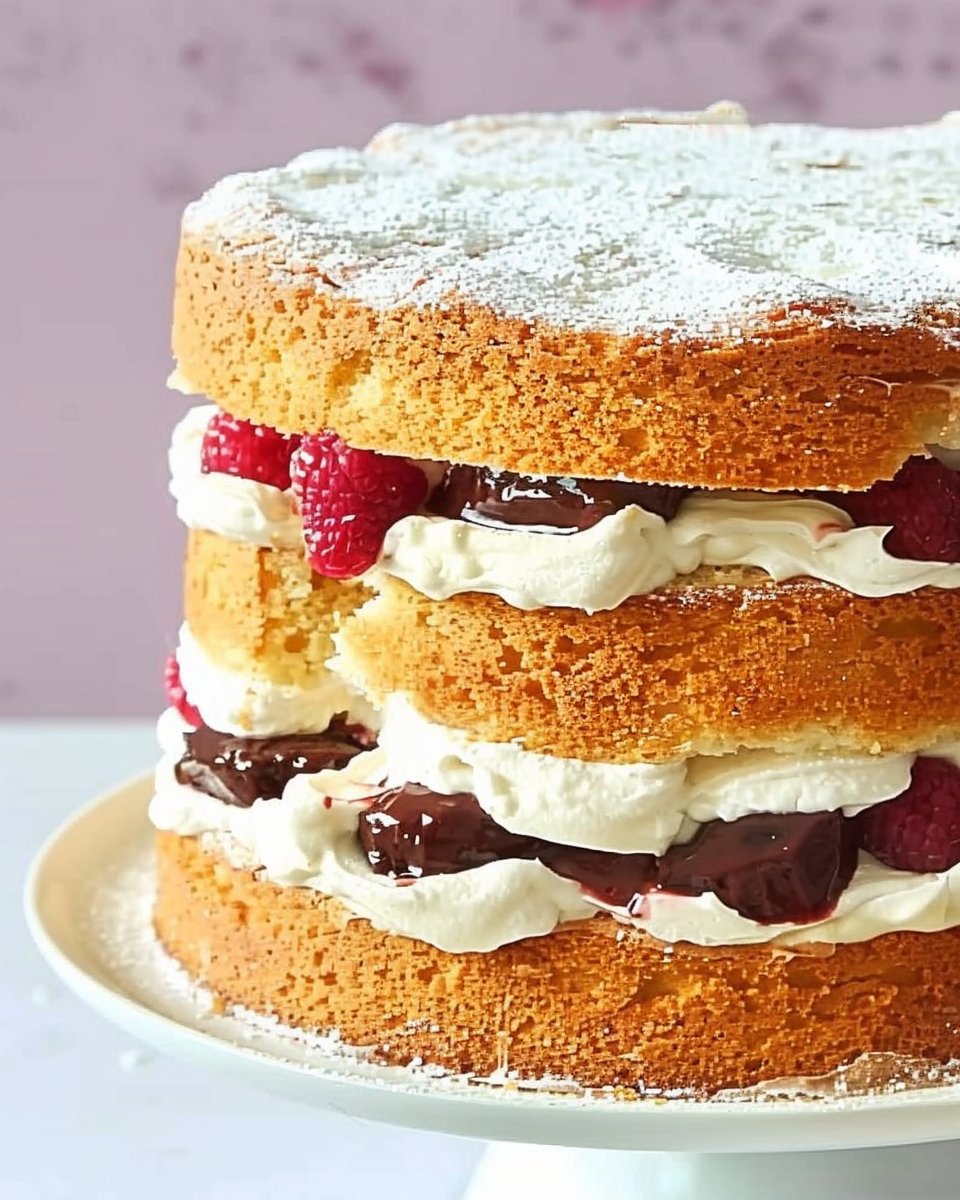
Pro Tips for Perfect Cake Filling Techniques
To ensure your cake fillings are perfect every time, here are some expert tips:
- Chill Your Fillings: If you’re using soft fillings like whipped cream or ganache, consider chilling them to firm up before applying.
- Flavor Pairing: Experiment with flavor profiles. For example, a lemon curd filling pairs beautifully with a vanilla or almond cake.
- Use a Turntable: When frosting your cake, a turntable can help you achieve an even finish with less effort.
- Temperature Matters: Ensure that your cakes are completely cool before filling them, as warm cakes can melt fillings.
Common Mistakes to Avoid with Cake Fillings
Even seasoned bakers can encounter hiccups when it comes to fillings. Here are a few pitfalls and how to sidestep them:
- Overfilling: It might be tempting to pile on the filling, but too much can lead to overflow and soggy layers.
- Forget to Chill: Not chilling your fillings can result in a cake that’s difficult to assemble and cut.
- Ignoring Texture: Consider how your filling will affect the overall texture. Mixing moist fillings with dry cakes can lead to imbalance.
- Neglecting the Presentation: The look of your cake is just as important as the taste. Take time to smooth the finish and add attractive decorations.
Creative Variations on Cake Fillings
If you’re looking to shake things up, here are some innovative alternatives to traditional fillings:
- Savory Fillings: For a unique twist, consider using savory fillings like mascarpone with herbs for a more refined cake flavor.
- Layered Flavors: Mix different fillings within the same cake—like cream cheese with raspberry jam— for a complex and delightful taste.
- Crumble Add-Ins: Incorporate crushed cookies or candies into your fillings for added texture and surprise flavors.
FAQ Section
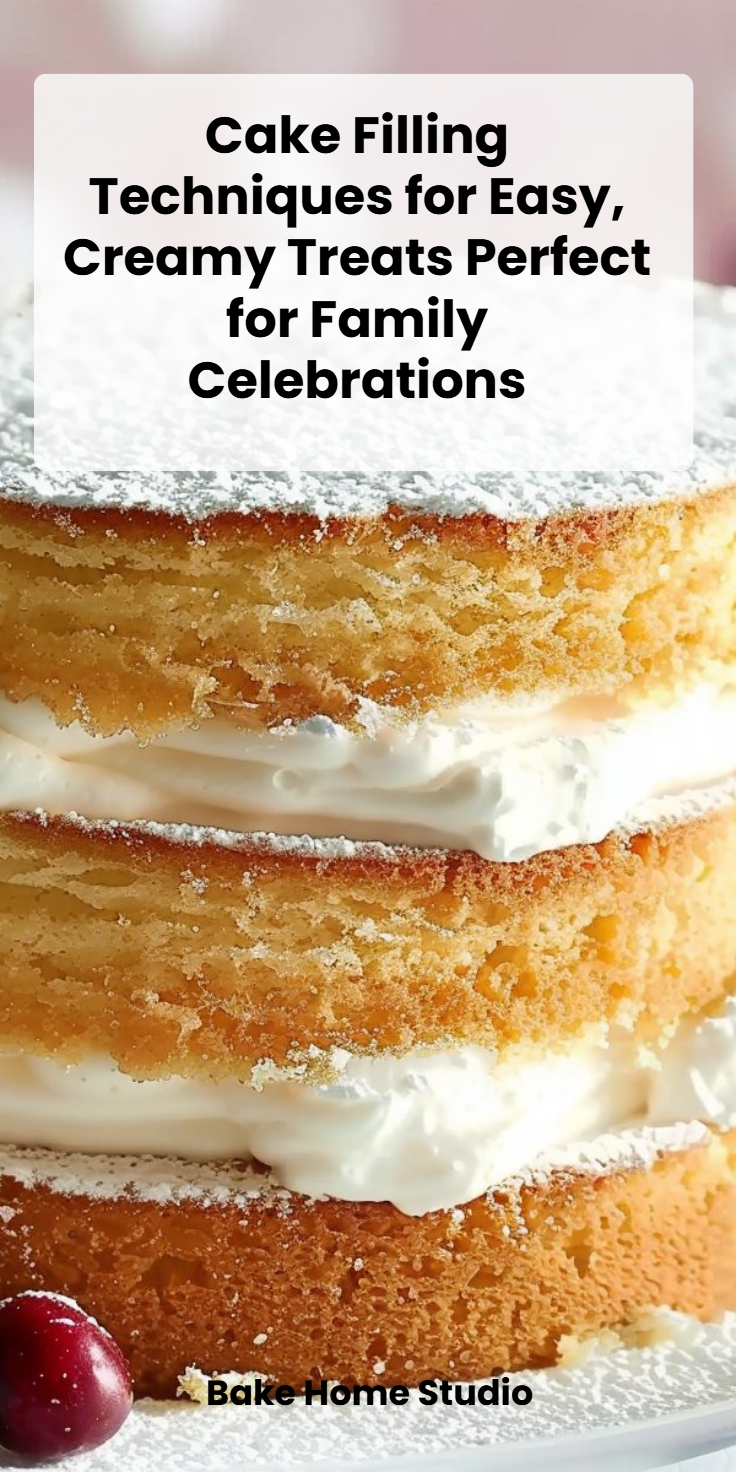
What are some popular cake filling techniques?
Some popular techniques include using buttercream, ganache, fruit preserves, or curds. Each filling offers its own unique taste and texture.
How do I keep my cake fillings from leaking out?
To prevent leaks, pipe a barrier of frosting around the edge of the filling and avoid overfilling the cake layer.
Can I use whipped cream as a cake filling?
Yes, whipped cream is a great choice for a light and airy filling, but be sure to stabilize it if you’re not serving the cake immediately.
What tools do I need for filling a cake?
You’ll need a serrated knife or leveler, an offset spatula for spreading fillings, and a piping bag for precise filling application.
What is the best way to layer cake fillings?
Start by leveling your cake layers, apply a dam of frosting around the edge of the cake layer, then fill the center with your chosen filling before stacking the next layer.
How many layers of filling can I add?
You can add multiple layers of filling, but it’s best to limit each filling to about 1/2 inch thick to maintain structural integrity while stacking.
Wrap Up Your Cake Adventure
Embracing different cake filling techniques not only enhances your baking repertoire but also allows you to bring joy and flavor to your gatherings. With the right skills and creativity, every cake can tell a story of taste and delight. So, gather your ingredients and start experimenting with your favorite fillings today—your perfect cake awaits!
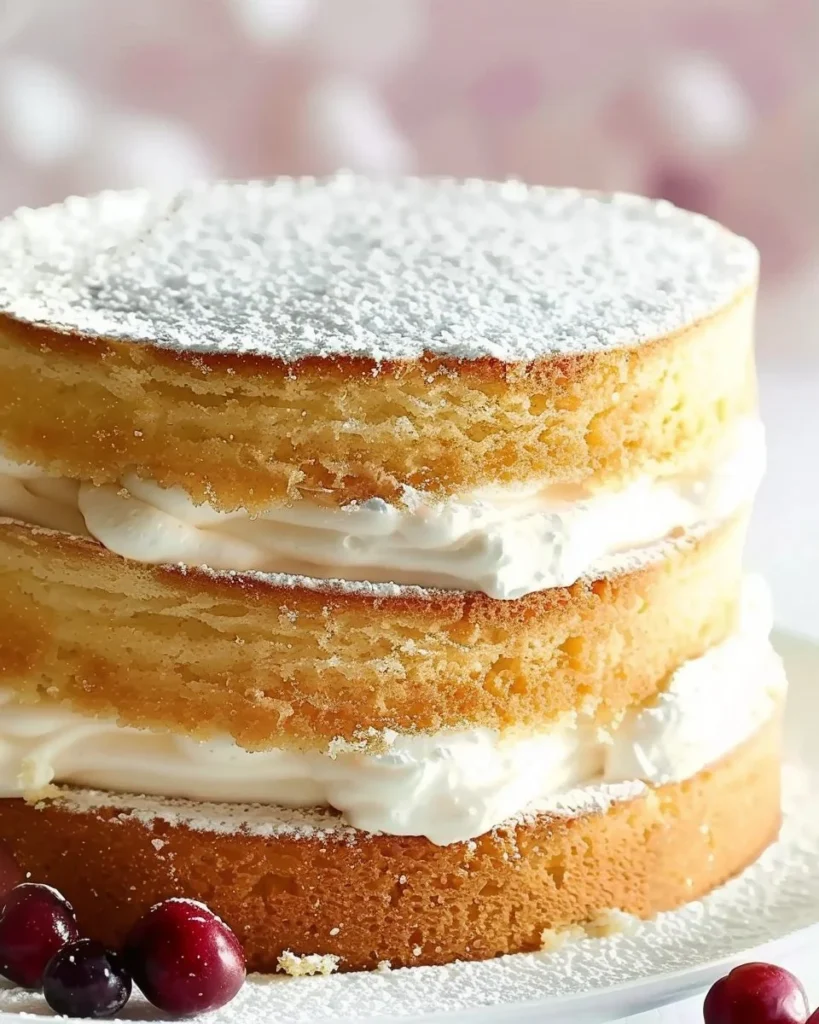
Cake Filling Techniques
Ingredients
Method
- Bake your favorite cake recipe and allow it to cool completely. Level the tops if necessary to ensure an even stacking.
- Decide on the type of filling you'd like to use.
- Using a serrated knife or a cake leveler, slice each cake layer horizontally to create multiple filling layers.
- Pipe a small border of buttercream around the edge of the first layer to prevent the filling from spilling out.
- Fill the center of the layer with your chosen filling and spread it gently with an offset spatula.
- Carefully place the next layer of cake on top and repeat the filling process for each layer.
- Once all layers are filled and stacked, cover the entire cake with a crumb coat to trap in any crumbs.
- Add a final layer of frosting for a polished look and decorate as desired.